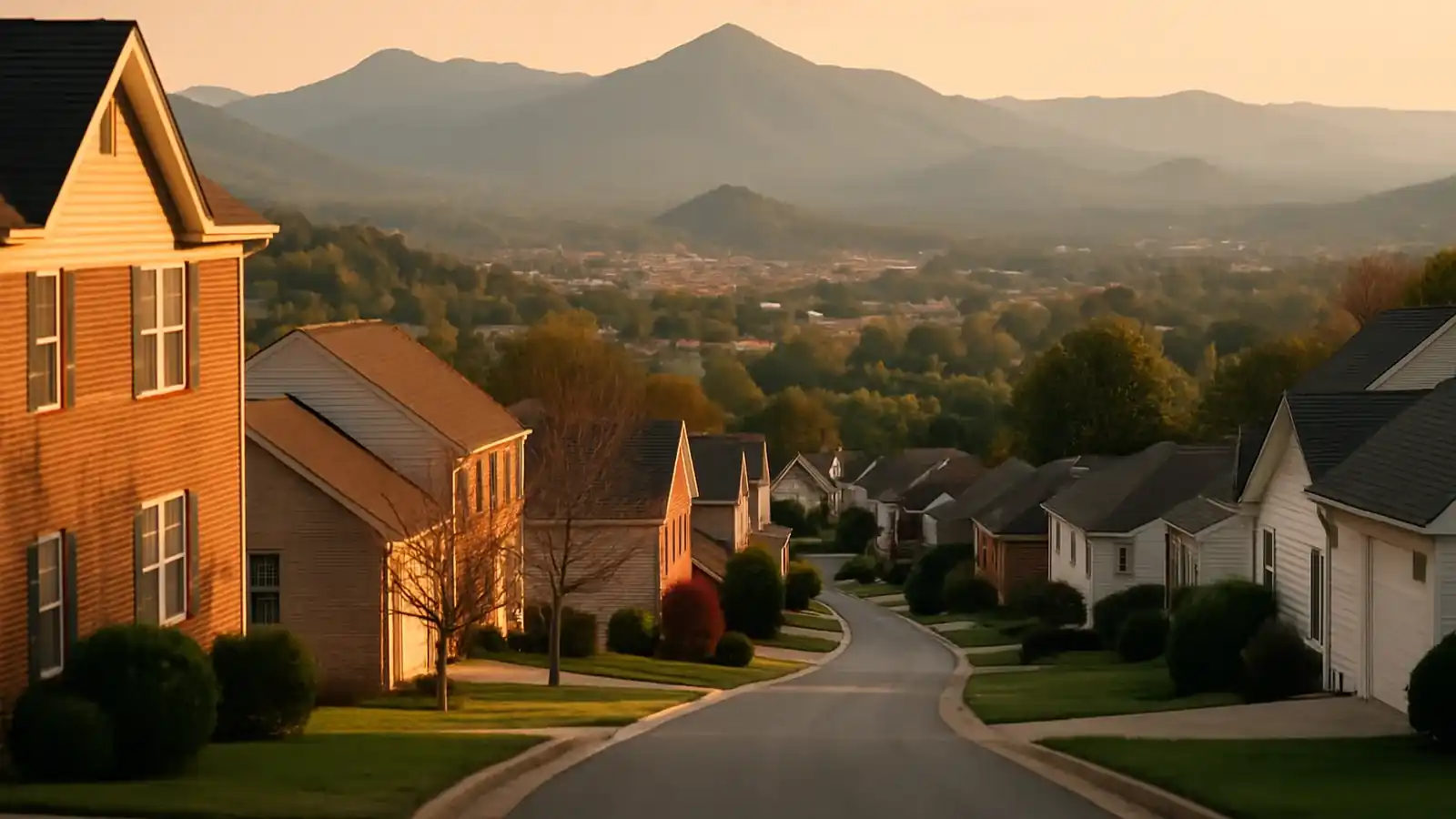
Crawl space repair in Roanoke runs $1,500–$8,000: from sistering softened joists to replacing girders on new supports. In a city rich with railroad-era housing on vented pier crawls, moisture-weakened framing is the valley's most common structural finding.
How valley dampness becomes floor problems, what repairs involve, and the honest pairing with prevention.
How the damage pattern runs here
Decay fungi need sustained moisture, and vented valley crawls provide it: humid summers condensing on cool framing, slope water keeping soil damp, seeps topping it up. Damage concentrates where moisture does: sills and band joists at the vented walls, joist ends in the dampest bays, subfloor under decades-old bathroom leaks. Termites and boring beetles follow the soft wood. It advances quietly for years, then one spring the hallway bounces.
The repair kit
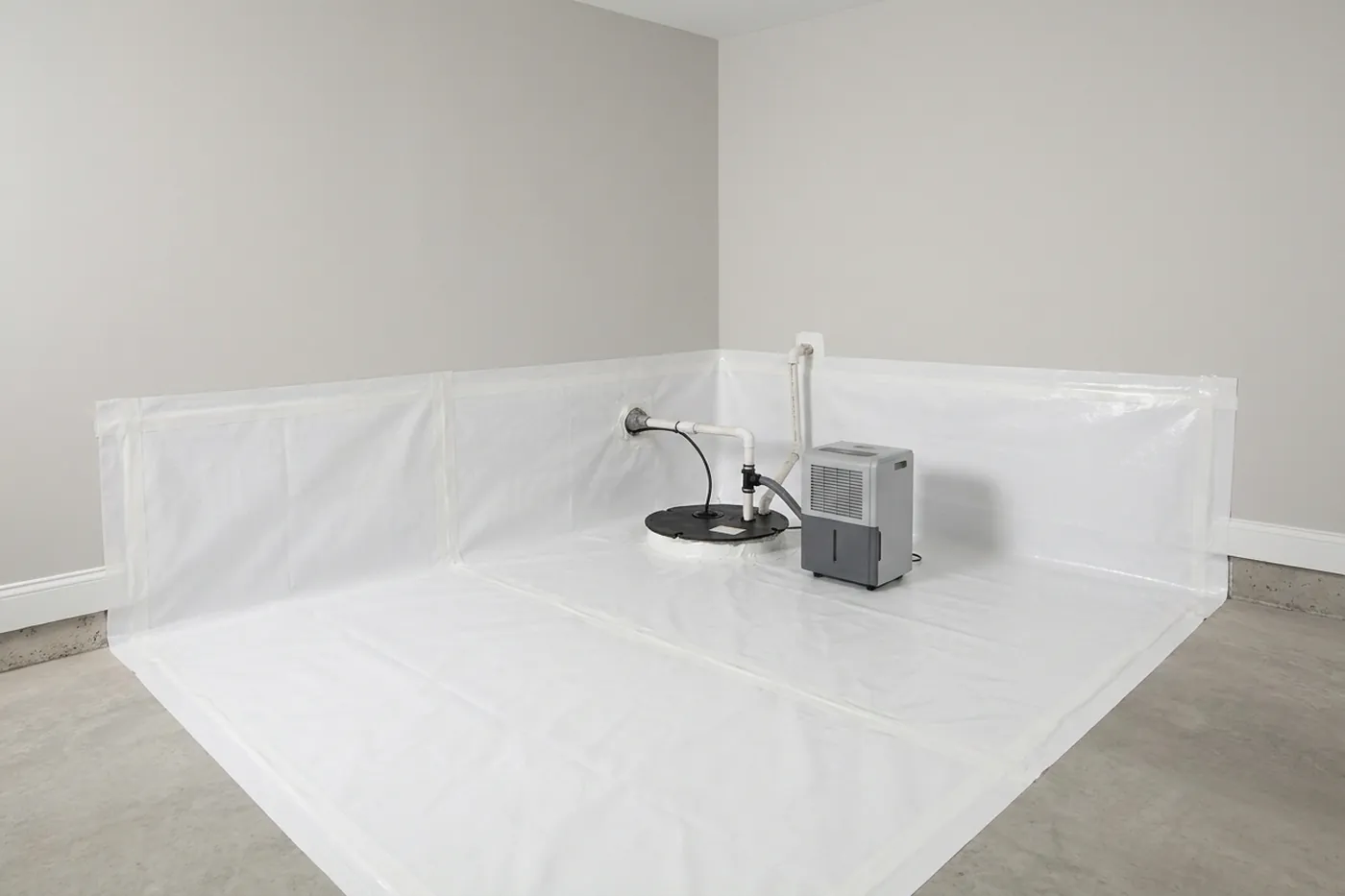
- Sistered joists: new lumber through-bolted beside weakened members
- Girder and beam replacement where decay has gone all the way through
- Joist-end and sill repair where beam ends have been sitting on damp stone
- Stone and block pier rebuilding, common in early-1900s crawls where mortar has gone
- Adjustable steel supports on proper footings, relevelling gradually rather than in one lift
The third and fourth lines carry most of the work in this market. Railroad-era houses in Old Southwest, Grandin and Raleigh Court sit on stone and block piers, and a joist end resting on damp masonry decays from the bearing surface upward: out of sight until the floor above starts moving.
Ask for every stage to be photographed, before, during and after, because work you cannot see deserves evidence you can.
Fix the wood, then retire the water
Repair restores strength. How long it holds depends on the water, and here the water is seasonal, which means a repair scoped in August can be sized against the wrong conditions.
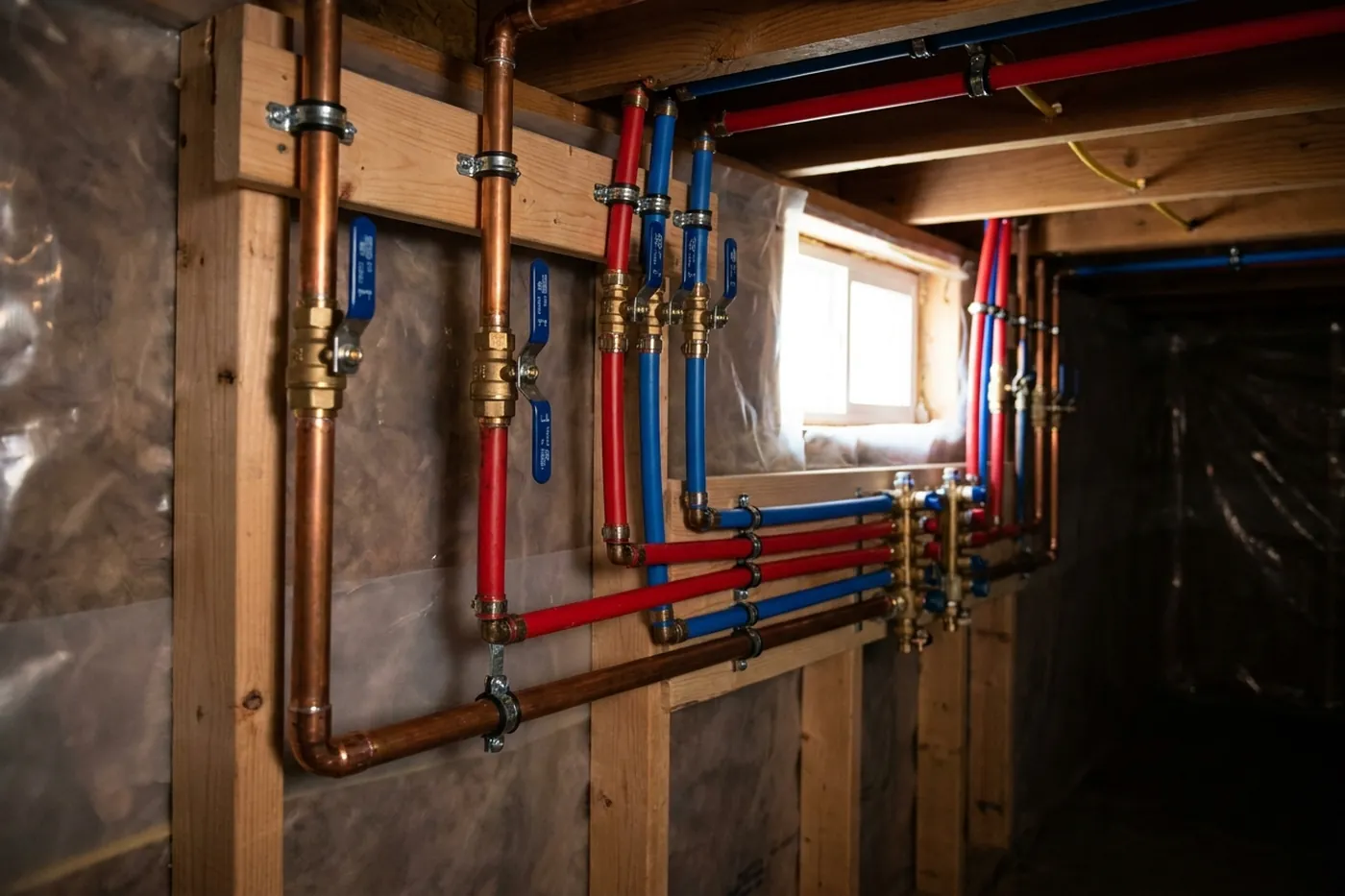
A sound repair quote carries the moisture plan alongside it, and says which season the readings came from. Where the slope delivers the water, drainage comes first; where it rises from the ground, a barrier or the full sealed system ends it.
What is actually broken down there?
A valley between the Blue Ridge and the Alleghenies delivers water to houses in ways flat markets do not. Slope runoff, seasonal springs and limestone-valley groundwater all show up in crawl spaces here.
| Option | What it does | What it means here |
|---|---|---|
| Moisture only | Humidity and ground damp, with sound framing | Roughly 42 inches a year, concentrated by slope onto whatever is downhill |
| Wood damage | Rot or insect damage in joists, sills or subfloor | Railroad-era homes on pier and block crawls show damp damage first |
| Structural sag | Failed piers, shimmed posts, a bouncing floor above | Original piers on sloping ground settle unevenly, which the floor reports |
| Water intrusion | Standing water or a flow path through the crawl | Seasonal seeps appear and vanish, which makes diagnosis a timing problem |
On a sloped lot the same house can be dry in September and wet in March. Dating the water matters as much as finding it.
Frequently asked questions
What do crawl space repairs cost in the valley?
Sistered joists from about $1,500; girder replacement with new supports to $8,000. For railroad-era homes with hand-sized framing, ask for member-by-member pricing, itemized in the written quote.
Why do the old neighborhoods have so much sill damage?
Time and venting. Old Southwest, Grandin, and Vinton-era homes have breathed humid valley summers through their crawls for a century: sills and joist ends closest to the vents condense first and soften first.
Can a sloped-lot house settle differently?
Downhill corners sometimes do, and floors telegraph it. Adjustable supports on proper footings relevel gradually, and a good inspection distinguishes settlement from decay: different problems, different fixes.
Do repairs come with the moisture fix?
They should be priced beside it. Repaired framing under an unfixed crawl is a countdown; ask for a quote that pairs the structural lines with the moisture plan so you see the whole picture and stage it your way.
Get a Roanoke crawl space inspection
Tell us what you're noticing (smells, humidity, floor bounce, a wet crawl) and we'll pass your request to one independent local specialist who serves Roanoke. They call you back to set up an inspection.